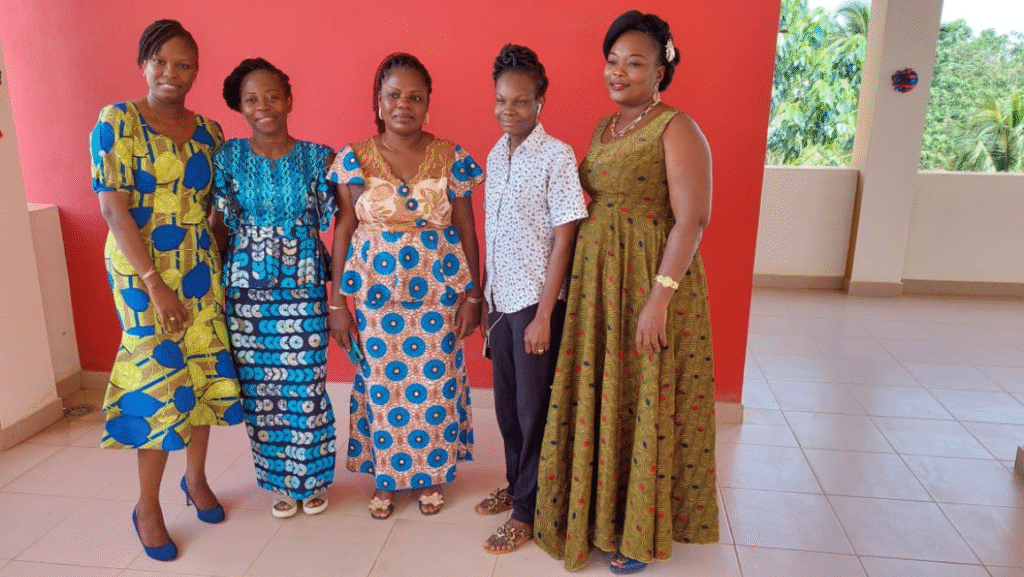
Taxation isn’t gender-neutral. The rules, rates, and implementation matter because men and women often participate in different ways economically; they face different constraints in accessing income, resources, and capital. This is where the Society of Women in Taxation (SWIT) West Africa comes into sharp relief—and why it’s more than just an interest group; it’s essential for inclusive development.
The Problem
Many women in West Africa are active in the informal economy: trading, micro-enterprises, smallholder agriculture, services. These sectors are often under-taxed (or outside tax visibility), partially because of regulatory, administrative, or awareness barriers. Women may lack information, face legal constraints, or simply be excluded from formal registration.
Even within formal taxation systems, reliefs, deductions, and rates sometimes overlook women’s realities: unpaid care work, costs of child/rearing, lower incomes in some sectors, or the dual burden of home and work.
SWIT’s Role
This is where SWIT steps in, filling several critical gaps:
Awareness & Capacity Building: Educating both women and policymakers. SWIT organizes conferences, seminars, and workshops to raise awareness of tax responsibilities, rights, and opportunities.
Policy Advocacy: Encouraging fiscal policies that recognize women’s contributions, including in sectors that don’t always show up on official economic reports. During the SWIT West Africa conference, stakeholders emphasized the need for tax reliefs or incentives that account for women’s roles in households and informal economies.
Leadership & Representation: By creating platforms for women in taxation, SWIT helps build leadership pipelines so policy makers, enforcement agencies, and tax institutes are more gender balanced.
What Should Governments Do?
To leverage the momentum that SWIT is building, governments across West Africa should consider:
Incorporating gender impact assessments for proposed tax laws to understand differential effects.
Designing flexible tax systems that allow informal sector participants to register and contribute without being overburdened.
Offering tax education programmes especially for women in rural areas and informal trade.
Ensuring women are part of decision-making in tax administration bodies and committees.
In Sum
Inclusive growth is not possible when half the population either bears disproportionate burdens or is excluded from full participation. SWIT West Africa is a vital actor in moving from rhetoric (we value women) to practice (we include, we consider, we empower). If West African societies are serious about growth, equity, and sustainable development, they need tax systems—and tax policies—that are gender-smart. And SWIT is helping make that case, loudly and clearly.