The Society of Women in Taxation (SWIT) West Africa is steadily making its mark across the subregion — not simply as a networking space, but as a force for policy change, economic inclusion, and gender equality in taxation.
Origins & Mission
SWIT began as a wing of the Chartered Institute of Taxation of Nigeria (CITN), formally inaugurated on 7 May 2010, to give female tax professionals a platform, voice and recognition in tax law, policy, and practice.
Over time its reach has widened to include West African countries more broadly, especially via conferences and collaborations.
Key Activities & Contributions
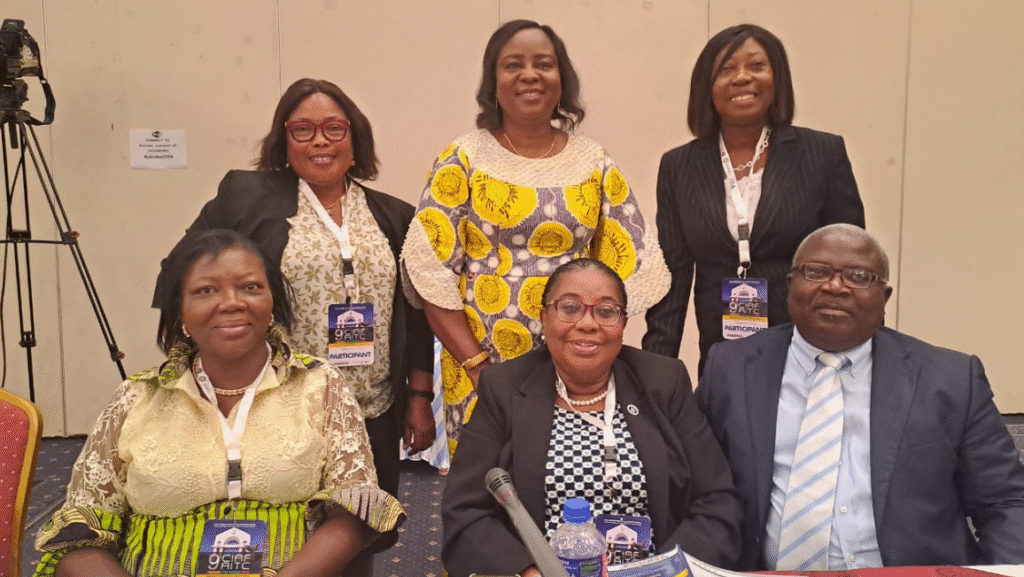
Conferences & Workshops: One of the regular highlights is its international professional conferences, such as the theme Building Women Leaders for the Future. These bring together women in tax from across West Africa — from both formal employment and informal sectors — to develop skills, exchange ideas, and advocate for more inclusive tax policies.
Policy Advocacy: In early 2025, at its West Africa conference, SWIT pushed for reforms in revenue mobilisation that engage women more intentionally. Policymakers were urged to recognize women’s contributions—especially in informal sectors—and to design tax reliefs, fiscal policies, and administrative practices that work for them.
Tax Education & Awareness: SWIT also carries out tax education programmes targeted at women, particularly those operating in the informal economy. The goal: to increase awareness of tax obligations, reduce evasion (often due to lack of information), and encourage participation in national development via fair tax contributions.
Challenges & Opportunities
While the strides are notable, there remain obstacles. Many women working informally are not integrated into tax systems; there is still a gap in access to training, mentorship, and decision-making positions. On the opportunity side, governments across West Africa are increasingly open to gender-responsive tax policies. SWIT is well positioned to help bridge the gap between policy and practice.
Why It Matters
Economic sustainability: Revenue mobilisation is fundamental to the delivery of public services. Every untapped source—such as informal sector activity often led by women—represents both a challenge and an opportunity.
Gender equity: When tax systems are gender‐blind, they often overlook structural inequalities. SWIT’s advocacy helps ensure that tax burdens, benefits, and incentives are considered with gender in mind.
Human capital & leadership: By empowering women tax professionals, SWIT helps build future leaders and experts in tax law, revenue administration, policy, and academic fields in West Africa.
Looking Ahead
For SWIT to deepen its impact, some promising paths could include:
Formal partnerships with revenue authorities to co-create tax policy that is gender-smart.
Expanded mentorship and scholarship programmes to grow numbers of women in senior tax roles.
Stronger data collection on how tax policy differently affects men and women—especially in informal vs formal sectors.
Regional harmonization so that best practices in one country can be shared and adopted elsewhere in West Africa.
SWIT West Africa is more than just a society: it is an engine for change at the intersection of gender, governance, and fiscal justice.